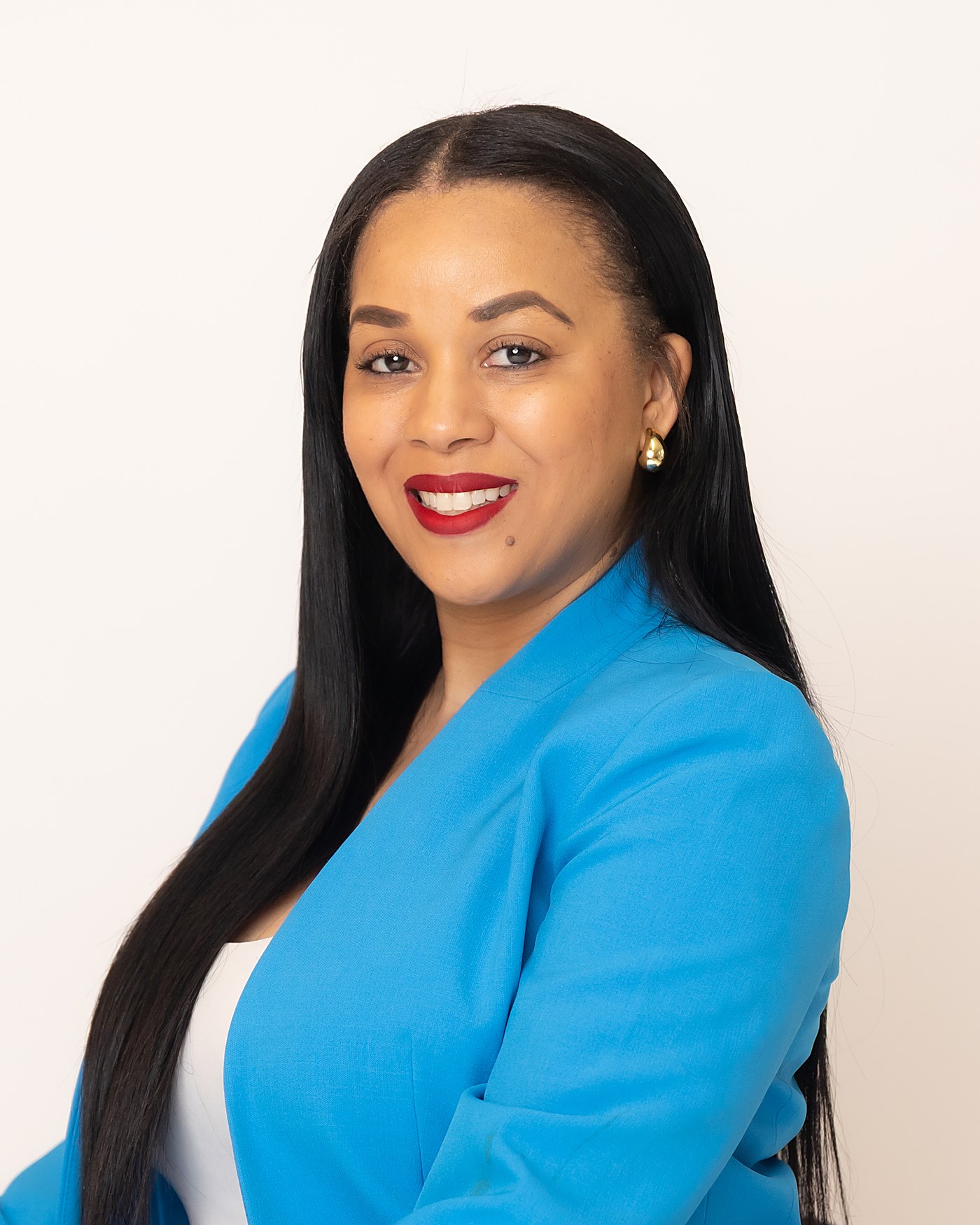
Tamika Reeves has spent more than a decade turning purpose into practice. A clinical psychotherapist, the owner of Transition Family Services, founder and president of the Protecting My Peace nonprofit, and creator of Locatetherapy.com, she opens The Blueprint with hard won wisdom on building a team, the real value of a network, and the faith that keeps her standing.
What do you wish someone had told you when you started?
"One of the main things I wish I knew, that I know now, is that you need a team. It is great to be ambitious. That is one of the key ingredients to being a successful entrepreneur. But you also need a support system behind you, and you need a team, because you cannot do it all. You will get burnt out trying to do it all, and your business will stay stagnant if you are trying to be the worker, the manager, the social media person, and the technology person. It is nearly impossible to do all of those roles effectively and efficiently. I have always been a one woman show in most of the endeavors I take on, so I relied on myself, and I was often tired and burnt out. I am not an expert at everything, and building a team is something I wish I had put more energy into when I first started."
What's the part of building that nobody warns you about?
"Failure. One of the key components of success is failing, because that is the only way you grow and learn, by not executing everything perfectly. That is the reality of success. You have to learn, and learning usually comes with not getting everything right. When you are full of ambition, it is hard to put your all, your emotion, and your money into something and have it not go right. For me, it was taking on different projects and creating different avenues within my business, and having them not go how I envisioned in my head, then having to deal with a failure I was not quite prepared for. As an optimistic, ambitious person with a lot of confidence in myself as an entrepreneur and a businesswoman, I honestly feel like I am going to execute everything I put my mind to, and I have. But part of the learning comes with that, and the learning comes from the failures."
What is this generation getting right, and where do you worry for them?
"As a more seasoned entrepreneur, I feel like this generation is really getting the aspect of trusting themselves right. I see the drive, the optimism, and the willingness to take risks. In previous generations, there was a lot of fear embedded in us around risk taking, so many people just followed the traditional plan, which usually does not have much risk in it. But I see a lot of young people today who are comfortable with risk. They are comfortable trusting their heart and seeking out whatever they want in terms of their passion and skill set, doing what feels good to them, not just what is expected of them. I love that. What worries me a bit is that a lot of young people want instant gratification, so they often do not see things through, even when they are passionate about it. They are so eager to reach that pinnacle of success that they want it instantly, so they do not dedicate enough time and effort, and they do not allow themselves to go through the process, the failures, the disappointment, and the growth that it takes to really reach success. In psychology we call it the microwave generation, because so much is available to them instantaneously. So that is something the younger generation can work on: having the patience to do the work and see things through. But I love the drive, the ambition, and the risk they are willing to take to focus on what they love."
"Your network is your net worth."
What would you tell someone building in Detroit with no network and no cosign?
"Get a network. I started my entrepreneurial journey with a mentor, and one of the things he taught me is that your network is your net worth. About half of what you obtain is based on your credentials. You have to be able to provide, and you have to be the person you are claiming to be, so you have to be credentialed, skilled, and knowledgeable in whatever you are building. But the other half is who you know. So do not stay in your shell, because you never know how the next person can put you in the right room, speak your name, guide you, or give you the tools, resources, and contracts. Detroit has a lot of resources. Detroit is a city of talent and a city of hope, but it is a grind city, so you have to put your feet to the street, get out there, put your name out there, and get to know people in different industries than your own. Get a part of different networks, get out of your comfort zone, and introduce yourself. If you do not naturally have a network, that is okay, you can build one."
"What I have built is bigger than me. This is truly a part of my assignment."
If you could pass down one principle that's kept you standing, what is it?
"I am on assignment. I do not look at my profession or any of my businesses as just a form of income. I look at what I do, as a business owner, an entrepreneur, a mentor, and a therapist, as part of my assignment. I rely on my faith, because there are ups and downs as a business owner, and that is ultimately what keeps me standing and motivated. I know who I am, and what I have built is bigger than me, bigger than anything I can even conceptualize as I create and nurture my business. This is truly a part of my assignment."